
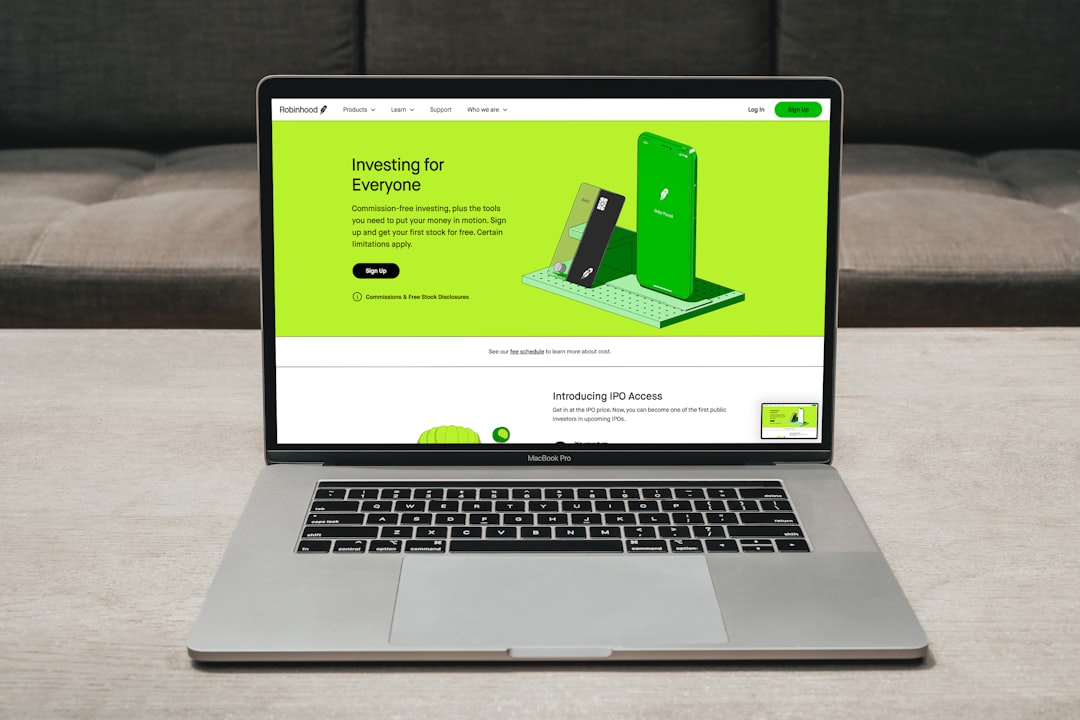
A landing page NYC small businesses use for digital marketing can be transformative. If you run a business in New York City, you’ve probably heard the term “landing page” thrown around in marketing conversations. But what exactly is a landing page, and how is it different from the rest of your website? More importantly, when does your Manhattan or Brooklyn business actually need one?
A landing page is one of the most powerful tools in digital marketing — a focused, purpose-built web page designed to convert visitors into leads or customers. Unlike your homepage, which serves many audiences and purposes, a landing page does one thing and does it exceptionally well. In this guide, we’ll explain everything you need to know about landing pages and help you determine whether your NYC business should be using them.
What Exactly Is a Landing Page?
A landing page NYC businesses commonly use is a standalone web page created specifically for a marketing or advertising campaign. Users “land” on it after clicking a link in an email, a Google Ad, a social media post, or an organic search result. Unlike a typical website page, a landing page has a single focused objective — known as a call to action (CTA).
The goal might be to get a visitor to:
- Fill out a contact form for a free consultation
- Download a free guide or resource
- Sign up for a newsletter
- Purchase a specific product or service
- Book an appointment
Everything on a landing page — the headline, the copy, the images, and the CTA button — is intentionally designed to guide the visitor toward that single action. There are no distracting navigation menus leading to other parts of the site. There are no sidebar widgets or unrelated links. The experience is laser-focused.
For a plumber in Queens, a landing page might be titled “Emergency Plumbing Services in Queens, NY — Available 24/7” with a form to request immediate service. For a Manhattan law firm, it might be “Free 30-Minute Legal Consultation for NYC Businesses” with a scheduling widget. The key characteristic is specificity and purpose.
Landing Pages vs. Regular Website Pages
Many NYC business owners confuse landing pages with regular website pages. The differences are significant and understanding them will help you use each effectively.
Your Homepage vs. A Landing Page
Your homepage is your digital storefront. It introduces visitors to your brand, offers multiple navigation paths, and serves a wide variety of visitors with different intentions. It is intentionally broad. A landing page, by contrast, is designed for one specific audience segment, one specific offer, and one specific action. Where your homepage might have six navigation links and five different CTAs, a landing page typically has one CTA — and sometimes removes the navigation entirely to eliminate distractions.
Service Pages vs. Landing Pages
Service pages on your website describe what you offer in a general sense. They are part of your site’s permanent structure and serve ongoing organic SEO purposes. Landing pages, on the other hand, are often tied to a specific campaign or promotion. A web design agency in Manhattan might have a general “Web Design Services” page for organic SEO, but create a separate landing page specifically for a Google Ads campaign targeting “small business website design NYC” — with ad-specific messaging and a different CTA tailored to paid traffic.
The distinction matters because visitors from paid ads are in a different mindset than someone who organically browses your site. Campaign-specific landing pages convert significantly better because they match the message and intent of the ad or email the visitor came from — a concept known as “message match.”
When Should Your NYC Business Use a Landing Page?
A landing page NYC businesses deploy for paid campaigns or lead generation can dramatically improve marketing ROI. Not every business situation calls for a landing page, but there are several clear scenarios where creating one will dramatically improve your marketing results. If your business falls into any of the following categories, a dedicated landing page is worth serious consideration.
Running Google Ads or Paid Advertising
This is the most common and highest-ROI use case for landing pages. When you’re paying for every click on your Google Ads, sending that traffic to your general homepage is a costly mistake. Your homepage wasn’t designed to convert paid traffic — it was designed to introduce your brand.
A dedicated landing page aligned with your ad copy will significantly increase your conversion rate and lower your cost per acquisition. According to Google, higher ad relevance (which includes landing page experience) improves your Quality Score and can actually lower your cost per click. Learn more at Google Ads Help: Landing Page Experience.
Launching a New Service or Promotion
When a Manhattan restaurant launches a catering service, or a Brooklyn gym starts a new personal training program, a dedicated landing page lets you promote that specific offering without burying it in your main site navigation. You can drive targeted traffic to this page via email marketing, social ads, or local SEO and measure its performance independently.
Running Email Marketing Campaigns
If you send email newsletters or promotional emails to your customer list, linking to a specific landing page (rather than your homepage) ensures the email experience continues seamlessly on the web page. The message, offer, and visual design should match the email, creating a cohesive journey that increases conversions.
Generating Leads for High-Value Services
Service businesses — attorneys, accountants, contractors, consultants — that rely on lead generation benefit enormously from landing pages. A focused landing page with a clear offer (such as “Free Business Tax Consultation for NYC Businesses”) removes friction and makes it easy for potential clients to raise their hand and start the conversation.
Key Elements of a High-Converting Landing Page
Whether you’re building a landing page NYC service companies use for Google Ads or a lead-gen page for email campaigns, not all landing pages are created equal. A poorly designed landing page — even one with great traffic — will fail to convert. Here are the essential elements that every effective landing page should include, particularly for NYC small businesses.
A Clear, Benefit-Driven Headline
Your headline is the first thing visitors see and it needs to communicate your value proposition immediately. “Free Website Audit for NYC Small Businesses” is far more compelling than “Welcome to Our Web Services.” Research from NNGroup shows that users decide within seconds whether a page is relevant to them — your headline is your first and most important chance to keep them engaged. See their research at NNGroup: How Long Do Users Stay on Web Pages.
A Single, Prominent Call to Action
Every landing page needs one primary CTA. Whether it’s a button that says “Get My Free Quote,” “Schedule a Consultation,” or “Download the Guide,” it should be visually prominent, repeated multiple times down the page, and crystal clear about what happens when the visitor clicks it.
Trust Signals
NYC consumers are savvy and skeptical. Include trust signals such as client testimonials, logos of businesses you’ve worked with, certifications, star ratings, or press mentions. These elements reduce anxiety and increase the likelihood of conversion.
Mobile Optimization
Over 60% of web traffic in New York City comes from mobile devices. Your landing page must load fast and display perfectly on smartphones. Google’s web performance guidelines at web.dev/performance recommend a Largest Contentful Paint (LCP) of under 2.5 seconds for a good user experience. A slow-loading landing page will cost you conversions before a visitor even reads your headline.
Minimal Distractions
Remove or minimize navigation menus, footer links, and sidebars. Every extra link on your landing page is an exit opportunity. Keep the visitor focused on the single action you want them to take. The W3C accessibility guidelines also recommend clear, simple page structure — which benefits both usability and SEO. See W3C Web Content Accessibility Guidelines.
Types of Landing Pages for NYC Small Businesses
Choosing the right landing page NYC format depends on your specific business goals. There are several types of landing pages, each suited to different business goals. Understanding the differences will help you choose the right approach for your marketing campaigns.
Lead Generation Landing Pages
These pages are designed to capture visitor information — typically name, email, and phone number — in exchange for something of value, such as a free consultation, a quote, or a downloadable resource. This is the most common type for NYC service businesses.
Click-Through Landing Pages
Often used in e-commerce and SaaS, click-through landing pages “warm up” visitors with persuasive copy before sending them to a checkout or sign-up page. There’s typically no form — just a compelling CTA button that moves the visitor further down the funnel.
Squeeze Pages
A squeeze page is a minimal landing page with one goal: capturing an email address. It typically features a strong headline, a brief description of the offer, and an email opt-in form. NYC businesses building their email lists for ongoing campaigns use these effectively.
Local Service Landing Pages for NYC
These are particularly powerful for NYC businesses targeting specific neighborhoods or boroughs. A plumber might have separate landing pages for “Emergency Plumber in Manhattan,” “Plumber in Brooklyn,” and “Plumber in the Bronx” — each optimized for local search terms and tailored to that neighborhood’s audience. According to Moz’s Local SEO guide, location-specific pages are highly effective for improving local search rankings.
FAQ: Landing Pages for NYC Businesses
Do I need a landing page if I already have a website?
Yes. Your website and landing pages serve different purposes. Your website is your permanent online presence; landing pages are campaign-specific tools. Even a well-designed website can benefit from dedicated landing pages for ads, promotions, and lead generation campaigns.
How many landing pages does my business need?
It depends on how many campaigns you run. As a general rule, businesses with more landing pages generate more leads. HubSpot research suggests companies with 10–15 landing pages see a 55% increase in leads compared to those with fewer than 10.
Should my landing page match my Google Ad?
Absolutely. Message match — the alignment between your ad copy and your landing page headline — is critical for both user experience and Google Ads Quality Score. A higher Quality Score can lower your cost per click and improve your ad position. Learn more at Google Search Central.
Can landing pages help my SEO?
Yes, when built correctly. Keyword-optimized landing pages — especially local landing pages targeting specific NYC neighborhoods — can rank in organic search and drive free traffic alongside paid campaigns. The key is to provide genuine value to the visitor, not just keyword-stuff a page for search engines.
Ready to Build Landing Pages That Convert?
A well-crafted landing page NYC small businesses invest in can transform digital marketing results — turning expensive ad clicks into real leads and actual customers. For NYC small businesses in Manhattan, Brooklyn, Queens, and the Bronx, landing pages are one of the highest-ROI investments you can make in your online presence.
At IL WebDesign, we specialize in designing and building high-converting landing pages for NYC small businesses. From Google Ads campaigns to local service pages, we create focused, professional pages built to generate results. Contact us today for a free consultation and let’s discuss how a custom landing page strategy can grow your NYC business.