
Web Design Best Practices in New York NY | IL Webdesign
Your website often shapes a customer’s first impression before they ever call, visit, or send an inquiry. IL Webdesign applies Web Design Best Practices in New York NY to help businesses create websites that are clear, useful, responsive, and built around customer actions. From our Manhattan office at 1250 Broadway FL 36, we work with businesses across Midtown, Chelsea, Flatiron, SoHo, and surrounding areas that need a stronger digital presence.
Good design is not about adding more elements to every page. It is about making each page easier to understand and use. Clear navigation, thoughtful layouts, accessible content, fast performance, and well-placed calls to action can help visitors move through your website with less friction. If you want to know who is behind your project, you can see the experience and approach behind our work before getting started.
Call (212) 812-7235 to discuss your website and schedule a consultation today.
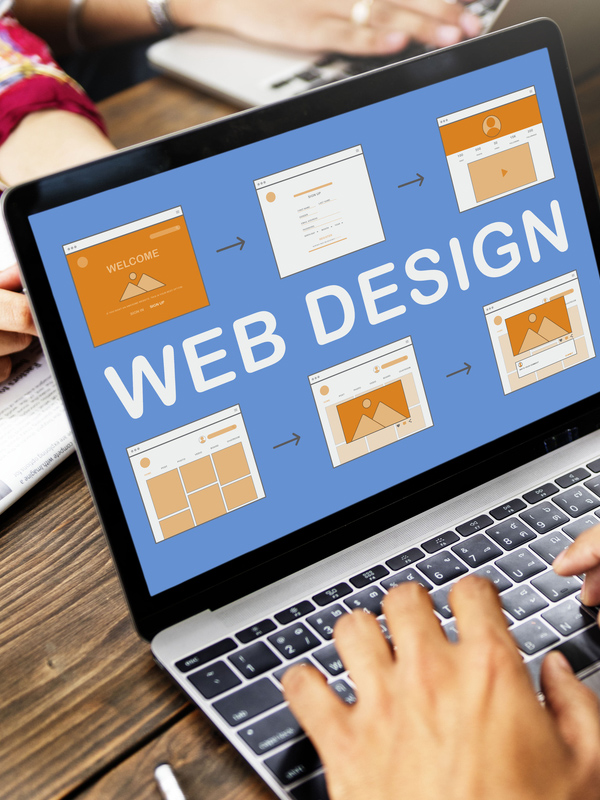
Make Important Information Easier to Find
Visitors should not have to search through several pages to understand what your business offers. A clear homepage layout and purposeful website navigation can guide people toward services, contact information, and the next step without unnecessary confusion.
Give Visitors a Clear Reason to Take Action
Effective call-to-action buttons should tell people what they can do next. Whether the goal is requesting information, scheduling a consultation, or calling your business, each action should appear where it makes sense in the visitor journey.
Create a Better Experience Across Devices
Your customers may reach your website from a phone, tablet, laptop, or desktop. Responsive web design and mobile-friendly design help your pages remain readable, navigable, and practical across different screen sizes.
ABOUT THE SERVICE
What Website Design Best Practices Can Improve for Your Business
Website design best practices focus on making your website easier for people to understand, navigate, and use. A strong website brings structure, content, functionality, and visual presentation together instead of treating each element as a separate decision.
Your homepage is one of the first places to establish that clarity. Visitors should quickly understand what you offer, who you serve, and where they can go next. A crowded homepage layout can make important information harder to notice, while an overly minimal page may leave visitors without enough context to make a decision.
Website contact forms deserve the same attention. Asking for too much information, using unclear field labels, or creating a difficult mobile experience can introduce friction just when someone is ready to reach out. Understanding the importance of making contact forms easier for visitors to use can help you create a more straightforward path from interest to inquiry.
Website accessibility, page speed, navigation, responsive layouts, readable content, and purposeful calls to action also contribute to website usability. These elements should work together so your website supports both your visitors and your business objectives.
LOCAL CONTEXT
Why Web Design Best Practices for Businesses Matter in New York
New York businesses operate in an environment where customers have plenty of choices. Someone searching for a professional service near Herald Square may compare several websites within minutes. A customer in Chelsea, Flatiron, or SoHo may be doing the same thing from a phone while commuting, walking between appointments, or researching businesses before visiting.
That makes clarity especially important. Your website should help visitors understand what makes your business relevant without requiring them to work through confusing navigation or lengthy pages before finding basic information.
Manhattan also brings together very different types of businesses within a relatively compact area. A professional office near Broadway may have different website priorities from a retailer in SoHo or a service business working with clients throughout Lower Manhattan. Your website structure should reflect how your particular customers look for information and decide what to do next.
Mobile usability is particularly worth considering when customers are moving between neighborhoods, subway stations, offices, restaurants, and retail areas. Clear menus, readable text, appropriately sized buttons, and straightforward contact options can make your site easier to use when visitors are not sitting at a desktop computer.
Professional web design practices should account for these real customer situations rather than treating every website as if people interact with it in exactly the same way.
OUR PROCESS
How We Approach Your Website Design
A useful website starts with understanding what your business needs visitors to accomplish. We look at your goals, existing website, audience, content, and customer journey before deciding which design improvements deserve attention.
- Understanding Your Website Goals
We start by identifying the role your website needs to play in your business. You may need visitors to call, submit an inquiry, understand a service, find important information, or move confidently from your homepage to a specific service page.
Those goals help guide the structure instead of allowing design decisions to be based only on appearance.
- Reviewing the Visitor Journey
Next, we consider how someone moves through your website. We look at website navigation, page hierarchy, calls to action, contact options, and the relationship between important pages.
The goal is to reduce unnecessary steps and make important destinations easier to reach.
- Organizing Important Page Elements
Your content needs enough visual structure to help visitors scan a page and understand what matters. Headings, sections, images, buttons, forms, and supporting information should have a clear purpose.
We also consider how the homepage introduces the business and directs visitors toward deeper information without overwhelming them with too many competing choices.
- Improving Usability Across Devices
Responsive web design should support a consistent experience without assuming that desktop and mobile visitors behave identically.
We review how navigation, text, forms, buttons, images, and page sections adapt to smaller screens. Website accessibility and readability are also considered so important content and actions are easier for a broader range of visitors to use.
- Reviewing Performance and Final Details
Page speed can be influenced by images, scripts, plugins, fonts, third-party tools, and other website resources. Performance considerations should be addressed alongside design so visual improvements do not unnecessarily make pages harder to load or use.
Before the work is finalized, we review important interactions, page layouts, navigation paths, and calls to action to make sure the website works together as a complete experience.
Create a Clearer Customer Path
Call (212) 812-7235 to discuss the areas of your website that need attention and schedule a consultation | 1250 Broadway FL 36, New York, NY 10001
WHY CHOOSE US
Why New York Businesses Choose IL Webdesign for Web Design
A website is more than its visual appearance. Layout, navigation, functionality, mobile behavior, forms, performance, and content all influence the experience your visitors have.
IL Webdesign approaches these elements as connected parts of the same website. Instead of adding features simply because they are popular, we consider whether they support your audience, your content, and the actions you want visitors to take.
Our Manhattan office at 1250 Broadway FL 36, New York, NY 10001 gives businesses a local point of contact in Midtown. The office is near Herald Square and Koreatown, with access to businesses throughout Midtown, Chelsea, Flatiron, and surrounding Manhattan neighborhoods.
Website Decisions Based on Real Business Needs
Your website should reflect how your business actually works. We focus on practical design decisions that support your goals rather than forcing every client into the same layout or website structure.
A Practical Approach to User Experience
Good user experience comes from removing unnecessary friction. Clear navigation, readable pages, responsive layouts, purposeful buttons, and accessible contact options can help visitors move through your site more confidently.
Local Access for New York Businesses
Working with a web design team that understands the local market can make conversations about your audience more specific. A business serving office professionals around Midtown may have different priorities from one attracting customers in SoHo or Lower Manhattan.
Design That Can Support Your Business as It Grows
Your website may need to change as you add services, publish new content, target new areas, or adjust how customers contact you. Building a clear foundation can make those future changes easier to manage without losing sight of usability.
Frequently Asked Questions About Web Design Best Practices in New York NY
A strong homepage should quickly tell visitors what your business does, who it serves, and where they should go next. Clear navigation, concise service information, useful calls to action, contact options, and a logical homepage layout can help visitors understand your business without unnecessary searching.
For a company serving customers around Midtown, Chelsea, Flatiron, or other parts of Manhattan, the homepage should also make your service area and relevant contact information easy to identify. Local visitors should not have to search through several pages to determine whether you serve them.
Yes. An existing website may benefit from targeted improvements rather than a complete replacement. The right approach depends on its current structure, platform, content, functionality, mobile experience, and the problems you want to address.
For an established New York business, keeping useful existing content while improving navigation, forms, layouts, calls to action, or responsive behavior may be more practical than automatically starting over. The website should be reviewed first so the scope reflects its actual condition.
Customers do not always research businesses from a desktop computer. Someone may visit your website while traveling through Penn Station, walking near Herald Square, commuting through Midtown, or comparing businesses from another part of Manhattan.
Mobile-friendly design helps make menus, text, buttons, forms, and important information easier to use on smaller screens. Responsive layouts should also keep contact options accessible so visitors can move from researching your business to taking action without struggling with the page.
Yes. Page speed should be considered alongside visual design, functionality, and usability. Large images, unnecessary scripts, plugins, fonts, animations, and third-party tools can all add weight to a website.
For a New York customer checking your site from a phone while moving between appointments or locations, a slow or unstable page can create unnecessary friction. Performance decisions should therefore be considered throughout the design process rather than treated as an unrelated task after the website is complete.
Start by identifying what is not working well for your visitors or your business. You may be concerned about an outdated layout, confusing navigation, mobile usability, contact forms, accessibility, page performance, or an unclear path from your homepage to important information.
You can send your project details to our team so we can better understand your current website and what you want to improve. You can also call the Manhattan office at (212) 812-7235 to discuss your project and arrange a consultation.
TAKE ACTION
Turn a Better Website Into More Business Opportunities in New York
Your website should do more than look professional. It should help people understand your business, find the information they need, and know exactly what to do when they are ready to contact you.
If your current site has confusing navigation, an outdated homepage, difficult forms, weak mobile usability, slow pages, or unclear calls to action, those problems can be addressed as part of a more thoughtful design approach.
IL Webdesign can help you bring these elements together by building a website around your business goals while keeping usability, responsive design, accessibility, performance, and customer actions in focus.
Whether your business serves customers around Midtown, Chelsea, Flatiron, SoHo, Lower Manhattan, or other New York neighborhoods, your website should reflect how your audience actually looks for information and takes the next step.
Manhattan Office
Office Number: (212) 812-7235
Address: 1250 Broadway FL 36, New York, NY 10001
Email: Info@il-webdesign.com
Availability: Monday through Sunday, open 24/7
Office Visits: By appointment only
Build a Better Website
Call (212) 812-7235 today to discuss your website, explain what you want to improve, and schedule a consultation with our Manhattan team | 1250 Broadway FL 36, New York, NY 10001
Disclaimer
The information on this page is provided for general informational purposes only. Website performance, usability, accessibility, search visibility, lead generation, and other results can vary based on your website’s current condition, content, platform, audience, competition, technical setup, and other factors. Web design and development work does not guarantee specific traffic levels, search rankings, leads, conversions, revenue, or other business outcomes.